The six principles of designing for care

To design a product that will be loved and cared for it must have a combination of the following principles.

  • First Impressions are essential
    A product must be beautiful
    Through the combined senses, the visceral appeal of an object comes from an immediate sensory reaction. Also known as the lizard brain, it relies on sight, sound, touch, taste and smell give the user their initial response. Many other factors such as weight, temperature, and ergonomics, inform the gut reaction. A beautiful product sparks joy into the mundane.
  • How easy is it to use and how well does it work?
    A product must be a pleasure to use
    How well does the product complete a task? How well did its joints move? Was the software laggy? Did you need to read the instructions or was it so well designed that you intuitively knew how to operate it? Ease of use and discoverability are two of the biggest factors of behavioural design. When something works so incredibly well it can be difficult to live without.
  • Does it tell a story?
    A product must be perceived to be worth more than the sum of its parts.
    Increase the price of whiskey to make it more desirable. A classical painting crafted by a master is far more special than the knock off copy. Handmade vs fresh off the conveyor-belt. Made in Italy or made in China. The signers superpower is the ability to give inanimate object greater meaning. Whether that is the brand identity (logo, visual style, etc…), the brand image (advertising and customer perceptions), or the company ethos; they all contribute to the intangible presence of a product. All possible brand perceptions that a customer can have can be traced back to design decisions. Authenticity, validation and the meaning of a product. Products tell stories and stories are meaningful.
  • Does the object have emotions?
    A product must be perceived to have sentience
    Thousands of years of evolution has taught us to interpret facial features and body language to better understand how someone is feeling. This sixth sense carries over to objects and especially objects that have human-like characteristics. Humans project humanistic characteristics on to inanimate objects; we can sense emotions in inanimate things. One of the best examples of this is a child’s teddybear. Just furry fabric, stuffing, and glass-eyes designed to be loved by a child. We often give these toys a voice of their own, emotions and responsibilities. Other examples can be: When you move house and feel like you have to say goodbye to your old bedroom. Naming your car or other things like boats, chairs, and vacuum cleaners. When you curse at your phone, laptop or other tool when it doesn’t do what you want. An anthropomorphic product is one that someone can have a strong emotional attachment to.
  • How intimate can you get with the object?
    A product must grow and age with its user.
    Personal things cannot be designed. The moment something becomes curated in the attempt of seeming personal it ruins the personality. The ultimate personal product is a product that ages with the user. A shoe for example moulds to the shape of your foot over a long period of time. But most of all, your home is the most personal possession you can have. Full of pictures, clothes, messiness & cleanliness, smells & sounds. A personal product is one that ages gracefully with its user and acts as a companion throughout its time.
  • Can you be a part of the objects life
    A product must allow input from its users
    Do you feed it? Do you maintain it? Do you give it recommendations and help update it? This is a personal steak, like co-creation; a fundamental aspect in increasing the longevity of a product. Self investment.

Design for care, not over-care

1107 E 9th Street, Oakland California used to look like this. Crime rates were high and illegal rubbish dumping was very common. A local resident had contacted the local council many time asking for someone to clean it up because he wanted something done about it. Given no more options, he and his wife decided to place a small buddha statue to see if it would make a difference “I didn’t want to use Jesus because he was too controversial, Buddha is a peaceful character”.

In a short period of time crime and rubbish dumping went down and the Buddha had done what it was intended for. It had such a strong impact on the local area that the Vietnamese community started gathering and placing their offerings. Over time the statue has ben upgraded. The Vietnamese community see it as a place of worship and it has been turned into a shrine to Buddha and even a tourist attraction.

Obviously there is a lot of Religious associations with Buddha, leading to people respecting the religious space but there is something to say about the branding and identity that buddha has. Buddhas ethos is grounded in peacefulness and care. I think a brand grounding itself in peaceful respectful pillars is a good starting point

Supercrit

So Brian really enjoyed my concept, “Design fro care”. But didn’t think that my case study of Onzo bikes was the right product to project my findings on to. He suggested doing a quick pivot and finding a new case study in the break. He suggested looking in to keep cup culture, and reading  Don Norman’s book called “Emotional Design”. 

I think, going forward I want to find a range of products that people love and genuinely care about. I want to find out what people like about them and find attributes that are consistent over them. I think my final output will be presenting my transferable findings and demonstrating how much people will care about a product when the attributes are applied.

I really enjoy the more informal moments of these critiques. When you’re wandering around and strike up a conversation with someone you don’t know. You talk about their project and then bring them over to your project and they see it through a fresh lens. I got a lot of good new insights through a couple of moments like these.

A premium bike share

For the supercrit I’m going to focus on giving bike sharing an “upgrade”. To start with I’m rethinking the way the business model works. From very short rental bikes to long term possessions. The way this will work will be a subscription and the bike will be yours until you no longer want it.

Here is a quick brain dump of the perks of this system. Trying to sell it and clearly help my supercrit critic understand my idea as fast as possible without me saying anything. Maybe a model will help this? Should paint my toy bikes black…

Going forward I need to put this out in a way that makes the concept very simple to digest so I’m wondering whether i make an animation for the supercrit or will pages be good enough? I also want to make some sort of manual for looking after your bike and a maintenance kit of sorts.

Post-Semi-Permanent thoughts

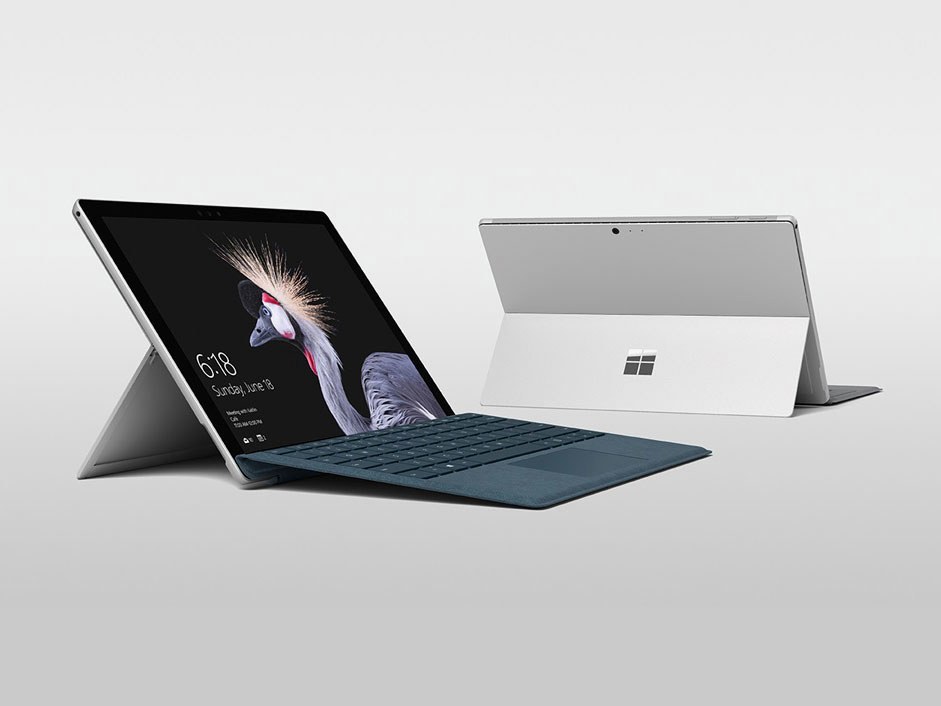
I think one of the most insightful parts of my trip was my chat with Ralf Groene. Ralf leads the design vision of all hardware products at Microsoft. In the 13 years that Ralf has worked with Microsoft his biggest contributions are the Surface, Xbox, and Hololens.

I saw this chat as an opportunity to enquire and validate some of my biggest questions and hypothesis’ for my own project. My first question was:

At Microsoft, what are you trying to do to combat the profitable business model that heavily relies on planned obsolescence?

He replied by saying

The other day I pitched an idea to the CEO at Microsoft where in the future we provide computing and not computers. It’ll be $30-ish a month and the cloud will provide all of the computing power to any device. Like Google Stadia, any device, including phones, will have the same computing power as the highest end PC’s.

Me and Ralf

I congratulated him on an awesome idea. Obviously the initial cost of the devices will be low and much like some other devices that I have looked into won’t be owned by the consumer but by the provider. When the devices break or need some sort of hardware update they will go back to the provider and the consumer will receive a replacement. The provider can then reuse the parts and continue the lifetime of the product.
I love the way he described it as well. Using the words Computers and Computing.

“We won’t sell computers, we will sell computing…”

The second question I asked was…

In order for these products to last, the user will play a key role in respecting and caring for them. Through design, how do you propose to educate the user and show them how to care for products to ensure they last for as long as possible?

He said…

That is a very good question and something I have been thinking about a lot. I think it is important that the product is perceived to have great value by the user. This comes down to great and tightly integrated brand image, user experience, advertising, packaging, look, feel and all of the above to deliver a great product.

This linked me back to Levi’s talk he gave earlier that day that described what we do as designers.

“We create value in a product, beyond the sum of its parts”

So for the purpose of my project I want to focus on developing a strong brand promise for a bike share system and build a cohesive identity for it. Everything that the company does will be strictly dictated by the brand promise. The bikes will reflect this promise aswell.